Growing Older Gracefully: Caring for Senior Pets
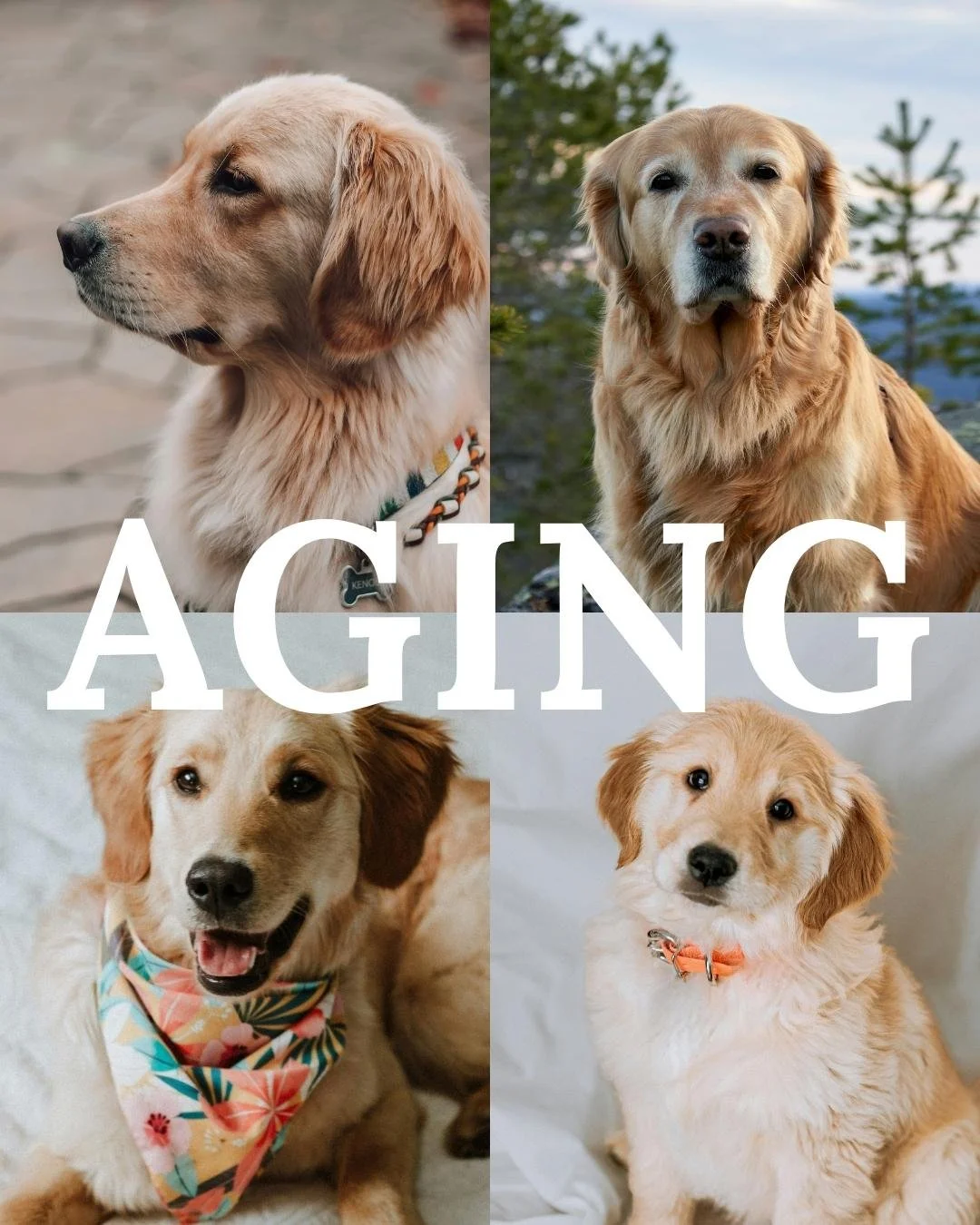
One of the greatest gifts of pet ownership is watching our companions grow alongside us. The playful puppy who once zoomed around the backyard or the mischievous kitten who climbed the curtains eventually becomes a wise, grey-muzzled senior.
While aging is a natural part of life, it also brings changes that can affect your pet's health, comfort, and quality of life. The good news? With proactive care and regular veterinary visits, many pets can enjoy happy, comfortable senior years.
When Is a Pet Considered a Senior?
The answer depends on the species, breed, and size of your pet.
Generally speaking:
Cats are considered seniors around 10 years of age.
Smaller dogs often enter their senior years around 8–10 years old.
Larger breed dogs may be considered seniors as early as 6–7 years old.
Just like people, every pet ages differently.
Common Signs of Aging in Pets
Some age-related changes happen gradually, making them easy to miss.
Keep an eye out for:
Sleeping more than usual
Reduced energy or stamina
Difficulty jumping or climbing stairs
Stiffness after resting
Changes in appetite or weight
Increased thirst or urination
Vision or hearing changes
Confusion or disorientation
Changes in behaviour or personality
Many pet owners assume these changes are simply "old age," but they can also be signs of treatable medical conditions.
Arthritis and Mobility Changes
One of the most common issues affecting senior pets is arthritis.
As joints age, inflammation and wear can make movement uncomfortable. You may notice your pet:
Hesitating before jumping onto furniture
Moving more slowly
Struggling with stairs
Slipping on hard floors
Becoming less interested in walks or playtime
The good news is that arthritis can often be managed successfully through a combination of weight management, medications, supplements, lifestyle adjustments, and supportive therapies.
Helping your pet stay comfortable can make a tremendous difference in their daily life.
Nutrition Needs Change with Age
Senior pets often have different nutritional requirements than younger animals.
Some pets become less active and may need fewer calories, while others require specialized diets to support joint health, kidney function, digestion, or weight management.
A senior wellness exam is a great opportunity to discuss your pet's diet and ensure they're getting the nutrition they need to thrive.
The Importance of Regular Bloodwork
One of the most valuable tools in senior pet care is routine bloodwork.
Many age-related conditions develop gradually and may not show obvious symptoms right away. Regular testing can help detect issues early, including:
Kidney disease
Liver disease
Diabetes
Thyroid disorders
Infections
Changes in organ function
When detected early, many conditions can be managed more effectively, helping your pet maintain a better quality of life for longer.
Focusing on Quality of Life
As pets age, our focus shifts from simply preventing illness to maximizing comfort, happiness, and quality of life.
Ask yourself:
Are they still enjoying their favourite activities?
Are they eating and drinking normally?
Can they move comfortably?
Do they seem engaged with family members?
Are they experiencing more good days than bad?
Quality of life isn't just about longevity—it's about helping your pet enjoy every stage of life with dignity and comfort.
Senior Pets Need More Frequent Checkups
Because pets age much faster than humans, significant health changes can occur in a relatively short period of time.
For most senior pets, we recommend wellness exams every six months rather than once a year.
These visits allow us to:
Monitor ongoing health conditions
Track changes in weight and mobility
Adjust medications or treatment plans
Identify potential concerns before they become serious
Think of it as helping your pet age proactively rather than reactively.
Celebrating the Golden Years
There's something incredibly special about senior pets. They may move a little slower, nap a little longer, and have a few more grey hairs, but they also bring years of loyalty, love, and companionship.
At Red Deer Veterinary Clinic, we're passionate about helping pets enjoy their golden years as comfortably and happily as possible.
If your pet is entering their senior years—or if you've noticed changes you'd like to discuss—our team is here to help.
Because every stage of life deserves exceptional care. ❤️🐾