Summer Has Sprung... and So Have the Ticks and Fleas
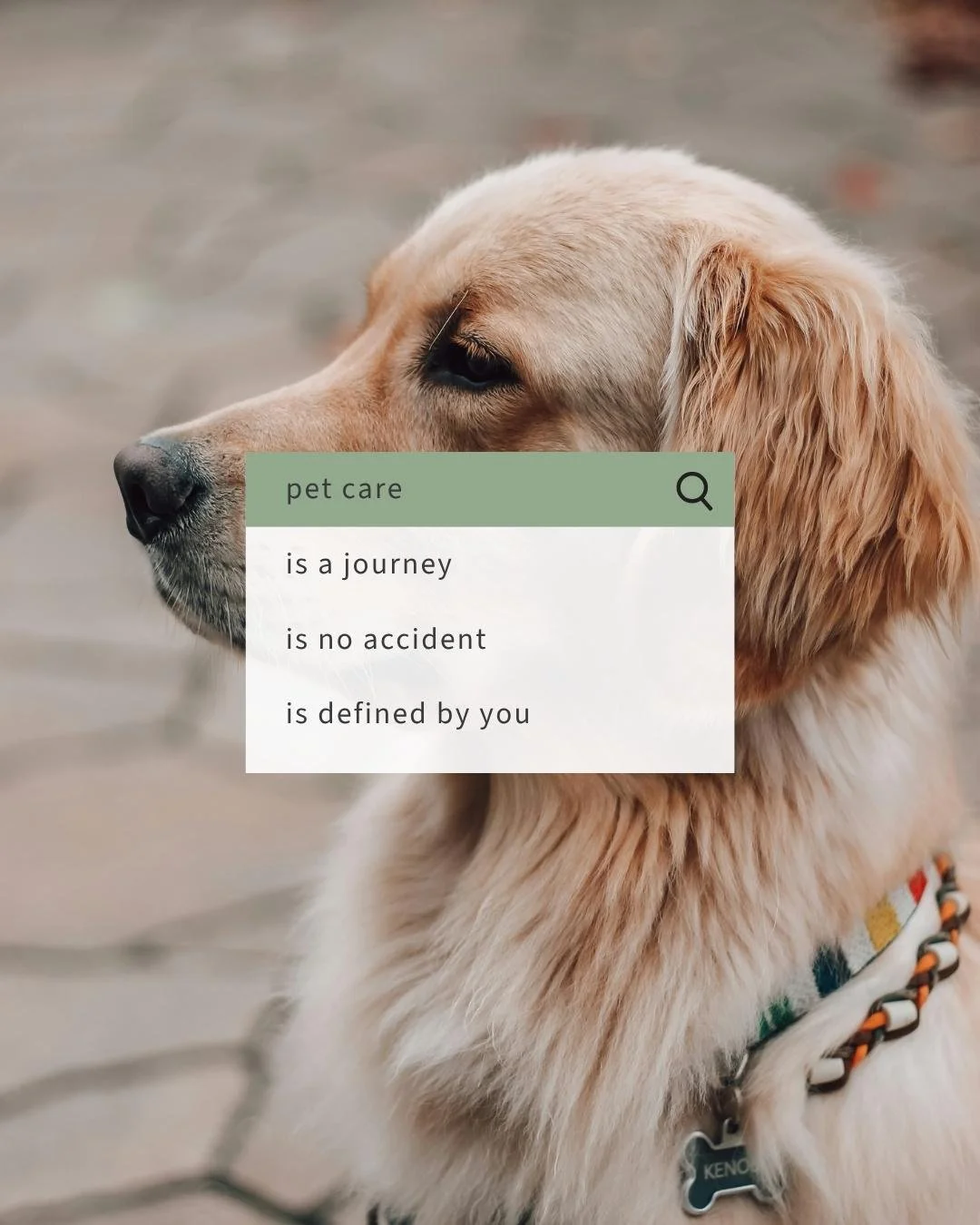
Longer days, warmer weather, muddy paws, and more time outdoors—spring is one of the best seasons for pets in Alberta.
Unfortunately, it's also when ticks and fleas start becoming active.
While many pet owners assume parasites aren't a major concern in Alberta, the reality is that tick activity has been increasing throughout the province, and prevention is more important than ever.
Why Should Pet Owners Be Concerned?
Ticks aren't just annoying hitchhikers.
Certain tick species can carry diseases that affect both pets and people. Ticks are active throughout much of Alberta from spring through fall and can even become active whenever temperatures rise above approximately 4°C.
Fleas can also cause significant discomfort, including:
Excessive scratching
Skin irritation
Allergic reactions
Hair loss
Secondary skin infections
Severe infestations can even lead to more serious health concerns.
Where Do Pets Pick Up Ticks?
Ticks are commonly found in:
Tall grass
Wooded areas
Hiking trails
Parks
Natural areas around Central Alberta
Even pets that spend most of their time in the city can encounter ticks during regular walks or outdoor adventures.
How to Check Your Pet
After spending time outdoors, make a habit of checking your pet for ticks.
Pay close attention to:
Around the ears
Under collars
Between toes
Under the front legs
Around the eyes
Between the hind legs
Ticks can be surprisingly small, especially before they've had a chance to feed.
Prevention Is Easier Than Treatment
The good news? Modern flea and tick prevention products are safe, effective, and easy to use.
Preventative care is one of the best ways to protect your pet throughout the warmer months. The right product will depend on your pet's age, lifestyle, and overall health.
Signs Your Pet May Have Fleas or Ticks
Contact your veterinarian if you notice:
Excessive scratching
Biting or chewing at the skin
Redness or irritation
Hair loss
Visible fleas or ticks
Changes in behaviour or energy levels
Early treatment can help prevent more serious problems later.
Let's Keep Spring Fun
Spring should be about walks, adventures, and soaking up the sunshine—not dealing with parasites.
If you're unsure which flea and tick prevention is best for your pet, our team would be happy to help create a protection plan tailored to their needs.
Because the only thing your pet should bring home from an adventure is a good story.